
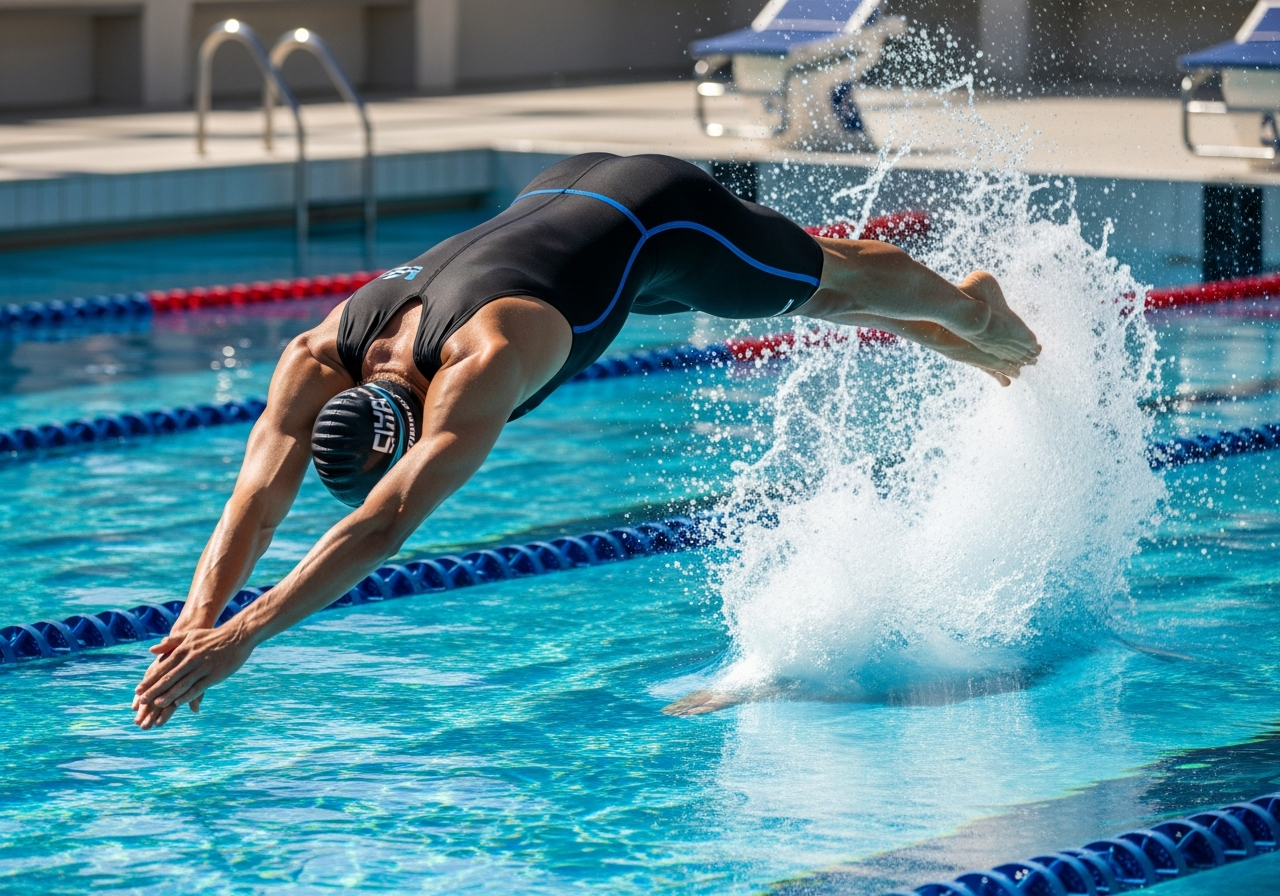
Swimming has emerged as one of the most thrilling spectacles at the Olympic Games, captivating audiences worldwide with its blend of speed, technique, and endurance. For Indian sports enthusiasts, the aquatic events present unique opportunities to engage with their favorite competitions through strategic betting. The pool becomes a stage where milliseconds determine glory, and understanding the nuances of swimming competitions can significantly enhance your betting experience.
Olympic swimming features an extensive program of individual and relay events across various distances and strokes, each presenting distinct betting dynamics. From the explosive sprint events to the grueling distance races, every competition offers different risk-reward scenarios for astute bettors. The sport’s technical nature, combined with the unpredictable elements of competition day conditions, creates compelling betting opportunities that reward both knowledge and intuition.
Indian sports fans have increasingly embraced swimming betting, drawn by the sport’s global appeal and the substantial prize pools available during Olympic competition. The combination of individual brilliance and team dynamics in relay events provides diverse betting landscapes, while the sport’s emphasis on personal bests and world records adds layers of excitement to the wagering experience.
Understanding Olympic Swimming Competition Structure
Olympic swimming competitions follow a structured format that spans multiple days, typically featuring heats, semifinals, and finals across various disciplines. The program encompasses freestyle, backstroke, breaststroke, butterfly, and individual medley events, ranging from explosive 50-meter sprints to endurance-testing 1500-meter marathons. Each stroke brings unique tactical considerations, with different athletes excelling in specific distances and conditions.
Event Categories and Distances
The Olympic swimming program features distinct event categories that cater to different athlete specializations and betting preferences. Sprint events (50m-100m) typically favor explosive power and perfect technique execution, while middle-distance races (200m-400m) require tactical awareness and pacing strategies. Distance events demand exceptional endurance and mental fortitude, often producing dramatic finishes as swimmers push their physical limits.
Individual medley events combine all four strokes in a single race, testing swimmers’ versatility and technical mastery across disciplines. These competitions often feature the sport’s most complete athletes and can produce surprising results when specialists excel beyond their primary stroke. Relay events introduce team dynamics and strategic considerations, including lineup decisions and split timing that can significantly impact outcomes.
Competition Format and Progression
Olympic swimming follows a systematic progression from preliminary heats through to medal-deciding finals, with each stage presenting distinct betting opportunities. Morning sessions typically feature heats and semifinals, where swimmers qualify for evening finals based on their times. The gap between sessions allows for strategic analysis and live betting adjustments as conditions and form become apparent.
Lane assignments for finals are determined by qualifying times, with the fastest swimmers positioned in the center lanes for optimal racing conditions. This seeding system creates natural favorites while allowing for potential upsets from swimmers in outside lanes. Understanding heat sheets and qualifying procedures helps bettors assess value opportunities and identify potential surprise performers.
Popular Betting Markets for Swimming Events
Swimming betting markets have evolved to accommodate the sport’s unique characteristics and the diverse preferences of Olympic bettors. Traditional win markets remain popular, but the sport’s emphasis on timing and records has spawned specialized betting options that reward deeper technical knowledge. Understanding these markets helps bettors maximize their engagement while managing risk effectively.
Individual Event Betting Options
| Market Type | Description | Risk Level | Typical Odds Range |
|---|---|---|---|
| Outright Winner | Bet on swimmer to win gold medal | High | 1.50 – 8.00 |
| Podium Finish | Swimmer to finish top 3 | Medium | 1.25 – 3.50 |
| Head-to-Head | Choose between two specific swimmers | Medium | 1.80 – 2.20 |
| World Record | Bet on new world record being set | Very High | 5.00 – 25.00 |
| Winning Margin | Predict victory margin in seconds | High | 2.50 – 6.00 |
Relay and Team-Based Markets
Relay events introduce additional complexity through team composition and strategic considerations that create unique betting opportunities. National teams must balance their strongest swimmers across multiple events, often leading to surprising lineup decisions that can dramatically affect outcomes. Strategic substitutions between heats and finals add another layer of unpredictability that savvy bettors can exploit.
Split betting markets focus on individual leg performances within relay races, allowing bettors to capitalize on specific swimmer strengths regardless of overall team results. These markets reward detailed knowledge of swimmer capabilities and tactical approaches, particularly in determining which athletes will swim anchor legs or lead-off positions. Understanding team dynamics and coaching strategies becomes crucial for success in these specialized markets.
Analyzing Swimmer Performance and Statistics
Successful swimming betting requires comprehensive analysis of swimmer performance data, training indicators, and competitive history. Unlike many sports where recent form provides clear guidance, swimming performance can fluctuate based on training cycles, technique adjustments, and peak timing strategies employed by coaches. Understanding these factors helps bettors identify value opportunities and avoid common pitfalls.
Key Performance Metrics
Swimming analysis relies heavily on objective timing data, but context becomes crucial when interpreting these numbers. Personal best times provide baseline expectations, but factors such as competition level, pool conditions, and season timing significantly influence their relevance. Recent competition results offer insights into current form, while training camp reports and time trial performances can indicate preparation quality and potential improvements.
Split analysis reveals tactical approaches and technical strengths that may not be apparent from final times alone. Examining how swimmers distribute their effort across race segments helps predict performance in different competitive scenarios. Start and turn execution can provide decisive advantages in sprint events, while stroke rate consistency often determines success in longer distances.
Age and experience factors play crucial roles in Olympic competition, where pressure and environment differ significantly from regular international meets. Veteran swimmers often perform better in high-pressure situations, while younger athletes may struggle with Olympic debut nerves or exceed expectations through fearless racing. Analyzing historical Olympic performances versus world championship results helps identify swimmers who elevate their performance for the biggest stage.
Training and Preparation Indicators
Swimming preparation follows scientific principles that provide valuable betting insights for those who understand the training process. Periodization strategies mean swimmers target peak performance for specific competitions, making timing crucial for Olympic success. Coaches often provide subtle indicators about athlete readiness through media interviews and technical observations that experienced bettors can interpret.
Altitude training camps and technique modifications during Olympic preparation can significantly impact performance outcomes. Swimmers who embrace technical changes may show inconsistent results leading up to competition but breakthrough with improved performances when adjustments succeed. Conversely, athletes struggling with modifications may underperform despite strong historical records.
Strategic Betting Approaches for Olympic Swimming
Developing effective swimming betting strategies requires understanding both the sport’s technical aspects and the unique dynamics of Olympic competition. Successful bettors combine statistical analysis with situational awareness, recognizing that Olympic performance often differs from regular season results due to pressure, preparation, and competitive environment factors.
Pre-Competition Analysis Methods
- Heat Sheet Analysis: Study qualifying times and lane assignments to identify potential value opportunities in swimmers positioned outside center lanes who may have been strategically resting in preliminaries.
- Historical Olympic Performance: Examine how swimmers have performed in previous Olympic competitions compared to world championships to identify those who excel under ultimate pressure.
- Training Partner Intelligence: Research training groups and partnerships, as swimmers who train together often push each other to breakthrough performances during major competitions.
- Technical Progression Tracking: Monitor stroke technique developments and coaching changes that might indicate potential performance improvements or temporary inconsistencies.
- Medical and Injury History: Assess recent injury reports and recovery timelines, as swimming performance can be dramatically affected by shoulder, back, or other physical issues.
Live Betting Strategies During Competition
Swimming’s structured competition format creates excellent live betting opportunities as information becomes available throughout the day. Morning heat performances provide crucial data for evening finals betting, particularly regarding swimmer tactics and current form levels. Observing warm-up sessions and technical preparation can offer insights into swimmer confidence and readiness that aren’t reflected in historical data.
Split timing during races creates dynamic betting opportunities for those who can quickly assess race development and predict finishing patterns. Understanding typical negative split strategies versus front-loaded tactics helps identify when swimmers are positioned for strong finishes or vulnerable to late-race challenges from competitors with superior closing speed.
Risk Management and Bankroll Considerations
Swimming betting presents unique risk management challenges due to the sport’s precision-driven nature and the potential for dramatic upsets. Effective bankroll management becomes crucial when dealing with a sport where milliseconds separate winners from also-rans, and where technical disqualifications can instantly void apparently successful bets.
Diversification Strategies
| Diversification Approach | Risk Level | Recommended Allocation | Best Event Types |
|---|---|---|---|
| Conservative Base Bets | Low | 60-70% | Podium finishes, established favorites |
| Value Opportunities | Medium | 20-25% | Undervalued contenders, head-to-head |
| Speculative Plays | High | 10-15% | Long shots, record bets, surprise medals |
Session-Based Betting Management
Olympic swimming’s daily session structure requires tactical bankroll management that accounts for information flow and betting opportunities throughout each competition day. Morning sessions provide valuable intelligence for evening betting, suggesting a conservative approach to early wagering that preserves capital for informed evening positions based on observed form and conditions.
Managing betting frequency becomes crucial during the intensive Olympic schedule, where multiple events create numerous opportunities but also increase exposure to variance. Disciplined selection criteria help maintain focus on the strongest opportunities while avoiding the temptation to bet on every available market simply due to the excitement of Olympic competition.
Technology and Tools for Swimming Analysis
Modern swimming analysis benefits significantly from technological advancement and data availability that enables sophisticated performance evaluation. Professional timing systems provide detailed split information and stroke rate data that helps bettors understand race dynamics and swimmer capabilities beyond simple finish times. Understanding how to interpret and utilize this technical data creates significant advantages in betting markets.
Performance Analysis Resources
Swimming databases maintain comprehensive records of swimmer performances across different competitions and conditions, allowing for detailed historical analysis and trend identification. These resources enable comparison of performances across different pool types, competition levels, and seasonal timing to better predict Olympic outcomes. Understanding how to filter and analyze this data helps identify patterns that casual bettors might miss.
Video analysis tools provide insights into technical execution and tactical approaches that numbers alone cannot reveal. Observing stroke mechanics, start techniques, and turn execution helps assess swimmer efficiency and potential for improvement or decline. Race footage also reveals tactical awareness and competitive instincts that become crucial factors in close Olympic finals where strategy often determines medals.
Real-Time Information Sources
Social media monitoring and official team communications provide valuable real-time intelligence about swimmer preparation, confidence levels, and potential issues that might affect performance. Coaches and swimmers often share subtle indicators about readiness and expectations that inform bettors can interpret to gain betting advantages. Understanding which sources provide reliable information versus speculation becomes crucial for effective decision-making.
Live streaming and technical broadcasts offer immediate access to warm-up observations, interview insights, and expert analysis that can significantly influence live betting strategies. Professional commentators often identify technical details and competitive dynamics that impact race outcomes, providing valuable information for those who understand how to translate these observations into betting opportunities.